


COMMUNITIES TO SUPPORT HOUSING DEMAND
New Towns Programme
COMMUNITIES TO SUPPORT HOUSING DEMAND
New Towns Programme
The Government New Towns Programme
The UK Government’s New Towns Programme is a strategic initiative designed to deliver large-scale, sustainable communities that support both housing demand and long-term economic growth. Central to this programme is a commitment to environmental responsibility, with developments aligned to national sustainability guidelines and net-zero targets.
The Target: Sustainable design and environmental standards
Each new settlement is planned to achieve zero-carbon or near carbon-neutral status, incorporating advanced energy-efficient construction methods and low-energy infrastructure. These developments prioritise reduced emissions, renewable energy integration, and climate-resilient design in line with government sustainability frameworks.
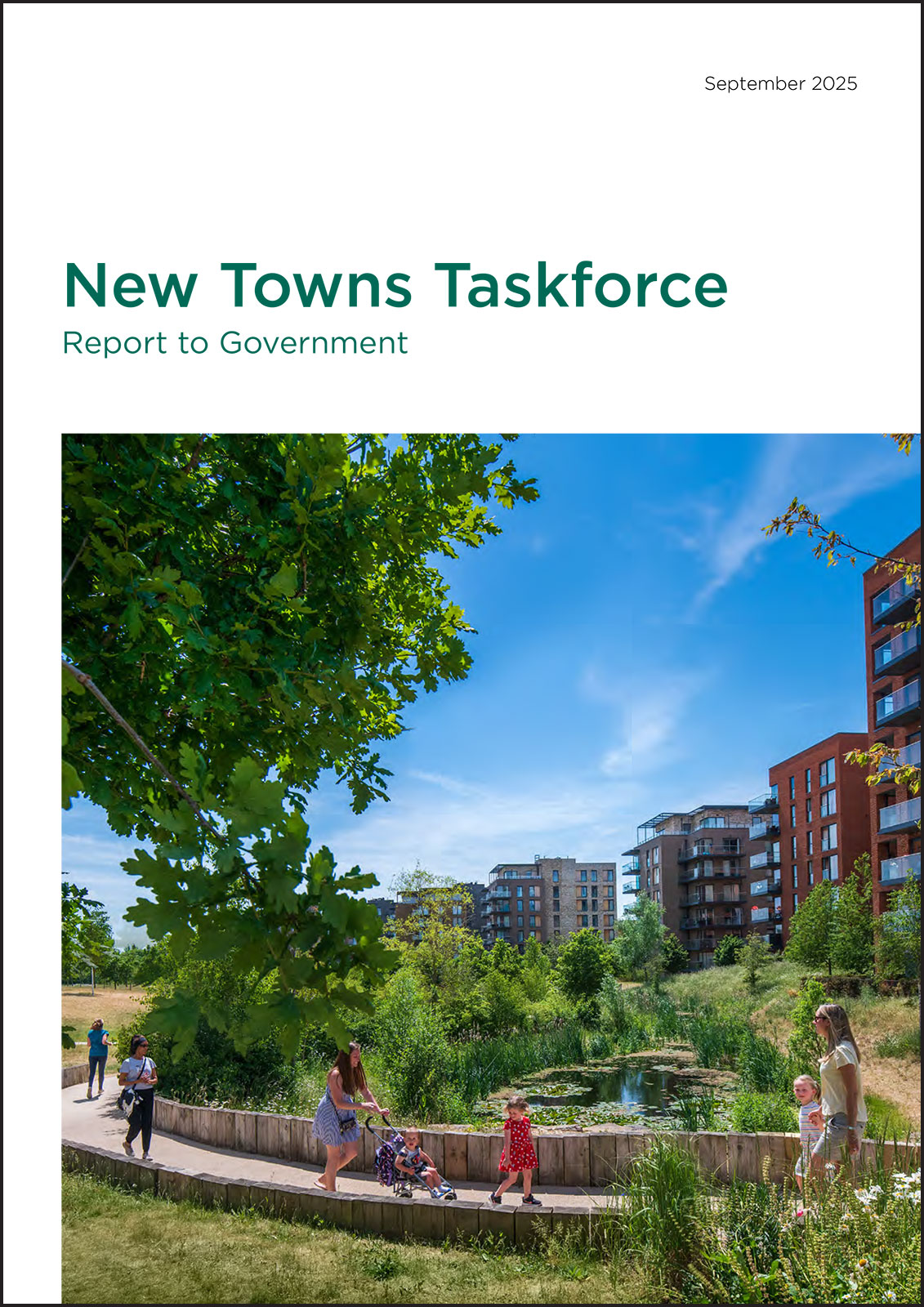
In the New Towns Taskforce Report to Government, published in September of last year, twelve strategic sites were identified for delivery, each contributing to regional growth and sustainability objectives. Following further consultation, seven (listed below) were approved for development.
CLICK THE IMAGE (right) to read the document
Key Aspects of the New Towns Plan
Each site is expected to deliver at least 10,000 new homes, aiming for a total of up to 300,000 across the programme.
The initiatives, spearheaded by a New Towns Taskforce, aim to build self-sustaining communities with integrated schools, GP surgeries, and transport links rather than just housing estates.
Land use and regeneration
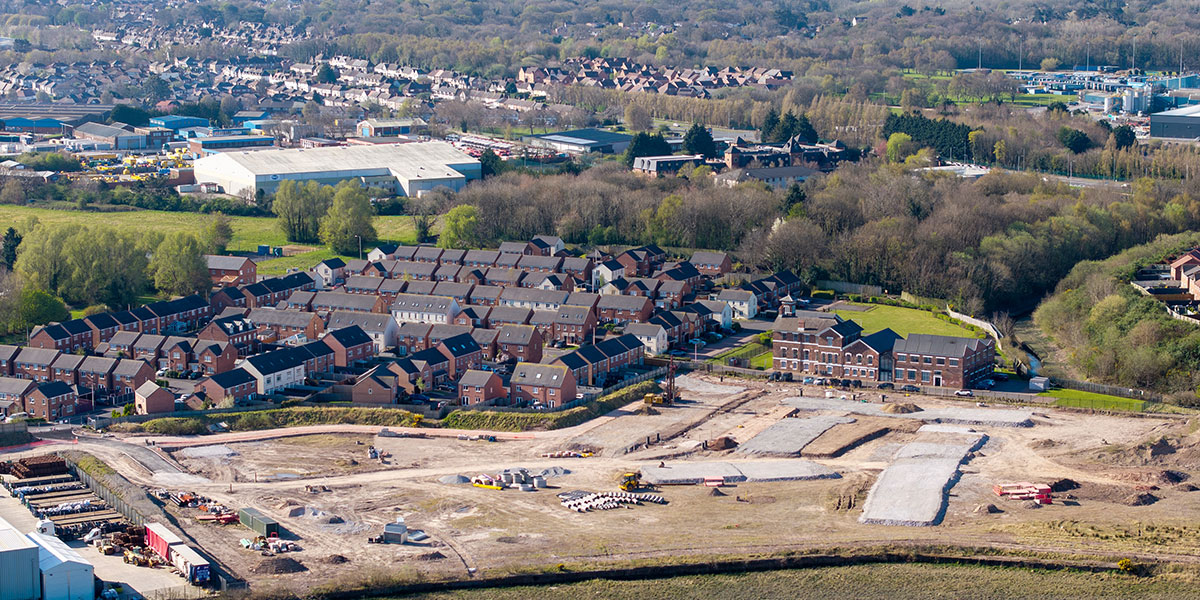
A key principle of the programme is the reuse of brownfield and underutilised land. By focusing on previously developed sites, such as major urban regeneration areas, the initiative minimises pressure on greenfield land while revitalising existing communities and infrastructure.
Transport and connectivity
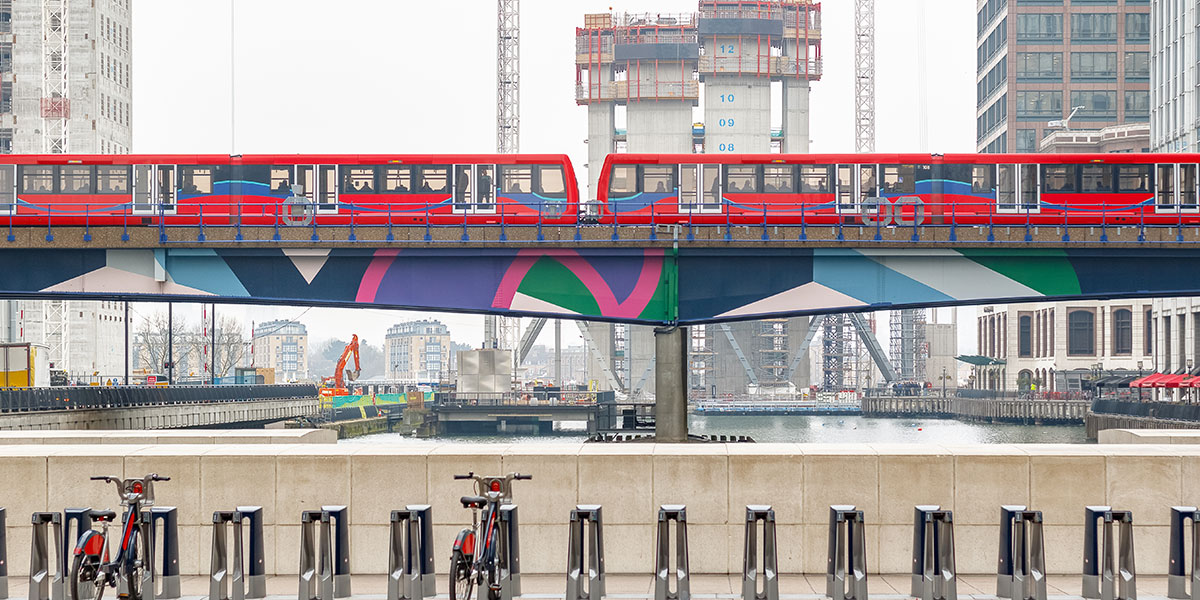
Sustainable mobility is a core feature of the New Towns Programme. Plans emphasise well-integrated public transport networks, including rail and light transit expansions, alongside walking and cycling infrastructure. These measures aim to reduce car dependency and promote low-carbon travel options.
Green infrastructure and community design
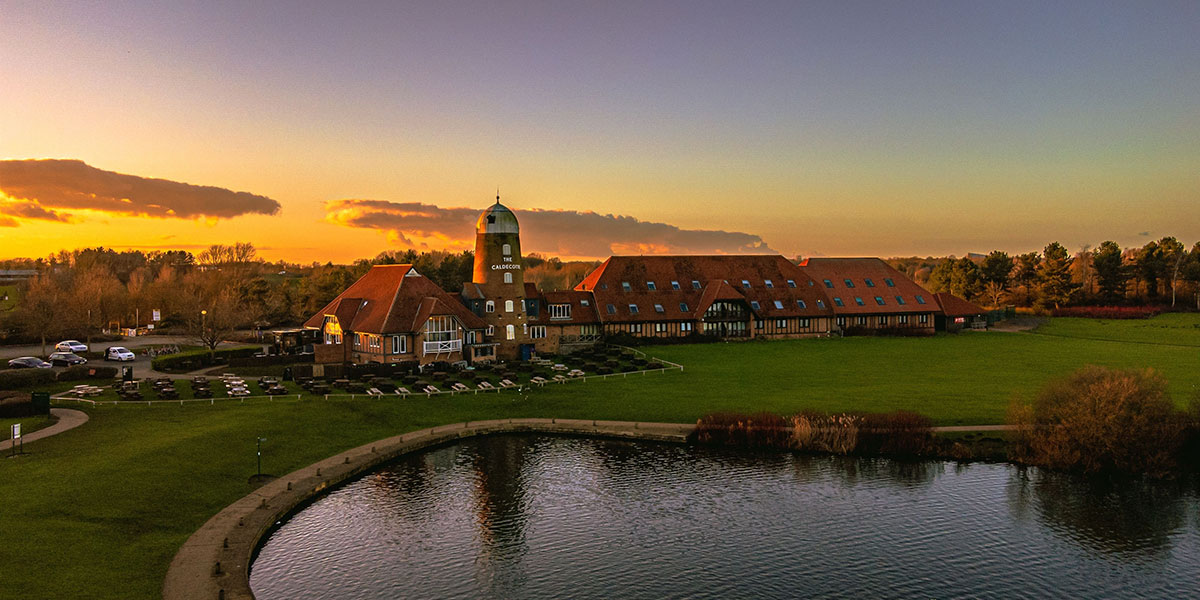
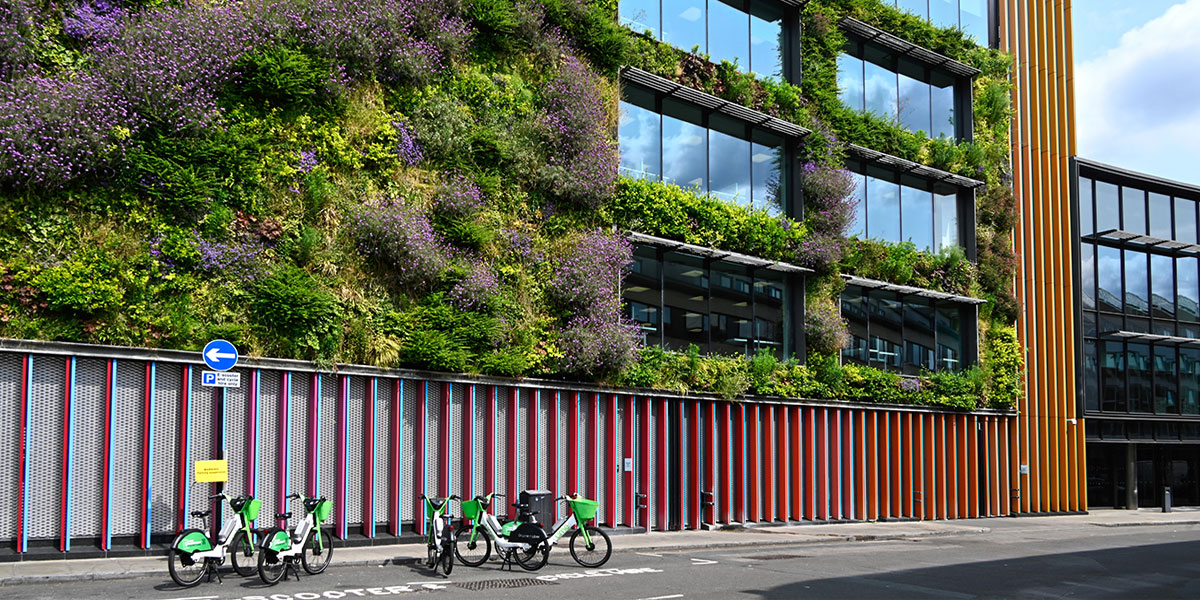
The developments are designed around people-first principles, with pedestrian-friendly layouts and access to high-quality green spaces. Features such as sustainable drainage systems, urban greening, and biodiversity enhancement support healthier living environments and climate adaptation goals.
Delivering sustainable communities
The programme is supported by a dedicated government task force to ensure developments meet high standards for sustainability, affordability, and quality of life. By embedding environmental, social, and economic priorities into planning, the New Towns Programme aims to create future-ready communities that align with the UK’s long-term sustainability goals.
Future Homes and Buildings Standards
The Government has just issued its long-awaited Future Homes and Buildings Standards guidelines which will come into force on 24 March 2027. This requires the installation of solar panels equivalent to 40 per cent of each dwelling’s ground-floor area. Low-carbon heating will be mandatory, effectively ending traditional gas boiler installations in new homes. Heat pumps are expected to become the default solution for most new dwellings.
CLICK HERE to read the Government Statement on the Future Homes and Buildings Standards (FHS)
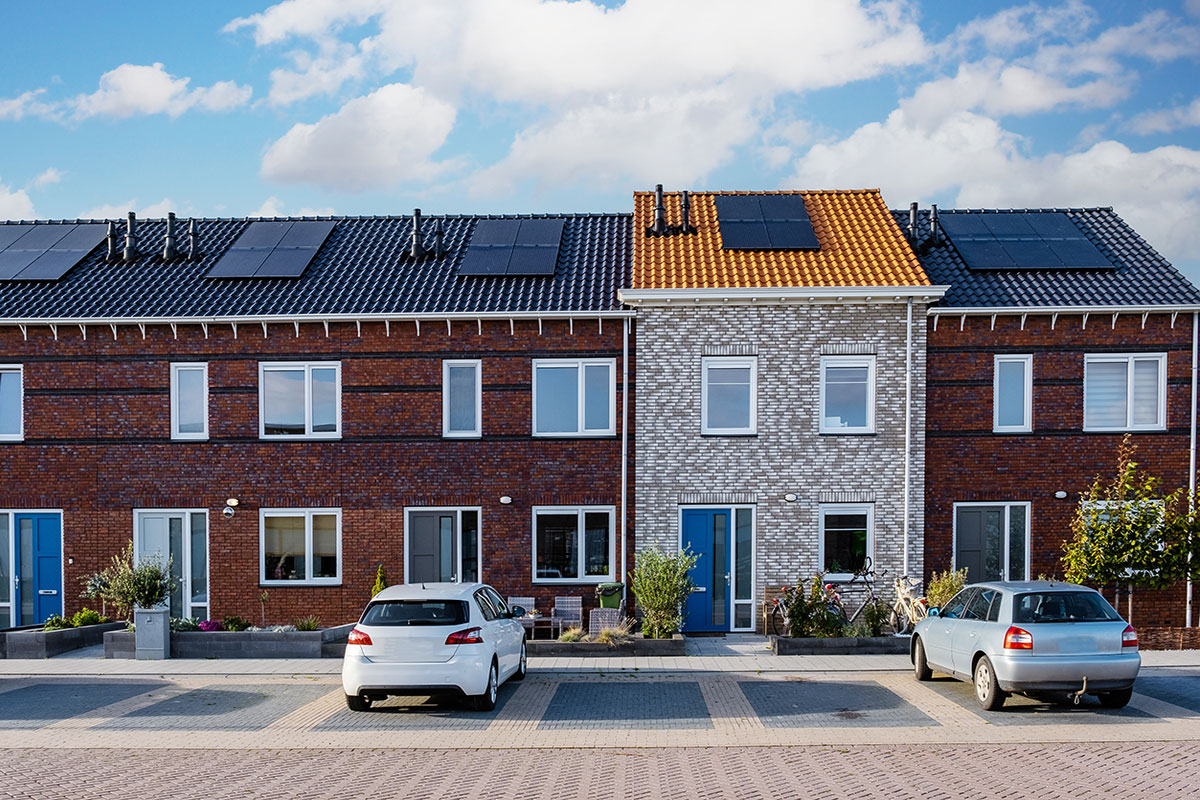
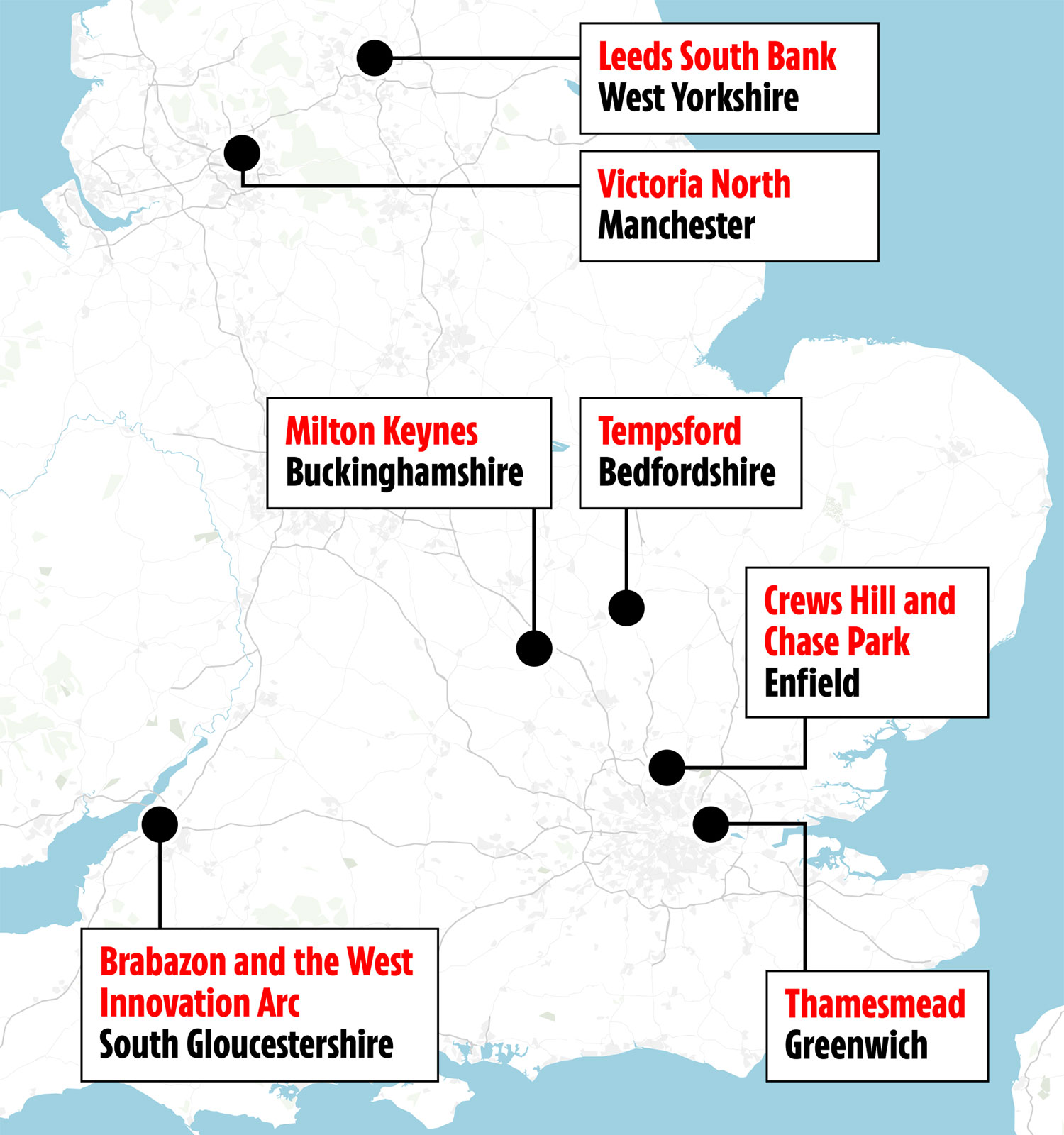
Image credit: News Group Newspapers Limited
Proposed new town names
No decision has been taken on the names of the new towns yet, but a number are under consideration, including…
ELIZABETHTOWN, honouring the much-loved late Queen Elizabeth II.
PANKHURST, named after the renowned suffragette leader.
ATTLEETOWN, in honour of Labour Prime Minister Clement Attlee, who initiated a huge postwar new towns programme.
ATHELSTAN, who is considered to be the first King of England who ruled between 925 and 939.
Proposed locations of the new towns
THAMESMEAD, GREENWICH
A riverside urban development scheme with strong potential for green transport and regeneration. Aiming at up to 15,000 homes unlocking inaccessible riverside land in London, enabled by the planned Docklands Light Railway extension.
TEMPSFORD, BEDFORDSHIRE
Potentially aimed at up to 40,000 homes. To be built around a new East West Rail station, linking residents to Cambridge, Oxford, London and Milton Keynes, and supporting low-carbon commuting.
CREWS HILL & CHASE PARK, ENFIELD
Designed to help meet London’s housing needs with sustainable urban planning. Potential for up to 21,000 homes.
LEEDS SOUTH BANK
An urban regeneration and housing expansion project targeting around 20,000 homes. Capitalising on the city’s economic momentum and the government’s £2.1 billion local transport investment.
MANCHESTER VICTORIA NORTH
A major brownfield regeneration schemes focused on high-density, sustainable living. Potential for at least 15,000 homes regenerating the heart of Greater Manchester, with a new Metrolink stop connecting residents to jobs across the city.
BRABAZON AND THE WEST INNOVATION ARC, SOUTH GLOUCESTERSHIRE
A development of up to 40,000 homes at the heart of a world-class research and advanced engineering economy in the Bristol region. A hub for innovation-led, environmentally conscious development.
MILTON KEYNES
Expansion of the existing original ‘new town’ with a focus on sustainable growth and improved connectivity. The ‘renewed town’ vision to expand the city by around 40,000 homes and reinvigorate the centre with a new local transport system, boosting connectivity in the Oxford-Cambridge Growth Corridor.
Renewable Energy News Updates
from Purpose Law
Click the image to view our RENEWABLE ENERGY news page in order to stay in touch with what’s happening at Purpose Law. And keep up-to-date with our latest services, case studies, and developments in the legal sphere sector etc.

Find out more about purpose law...


