


co-located storage
The benefits of co-located storage
At the recent Large Scale Solar CEE Summit held in Warsaw, Poland, where Purpose Law CEO Tessa Laws was among the key contributors, one of the major topics of discussion was co-located storage.
To quote the event publicity, co-located storage is quickly emerging as a cornerstone of bankable solar projects across CEE (Central and Eastern Europe), offering shared infrastructure, improved grid integration, and enhanced revenue stacking.

Tessa Laws
Purpose Law Founding Partner
Standalone versus Co-Location
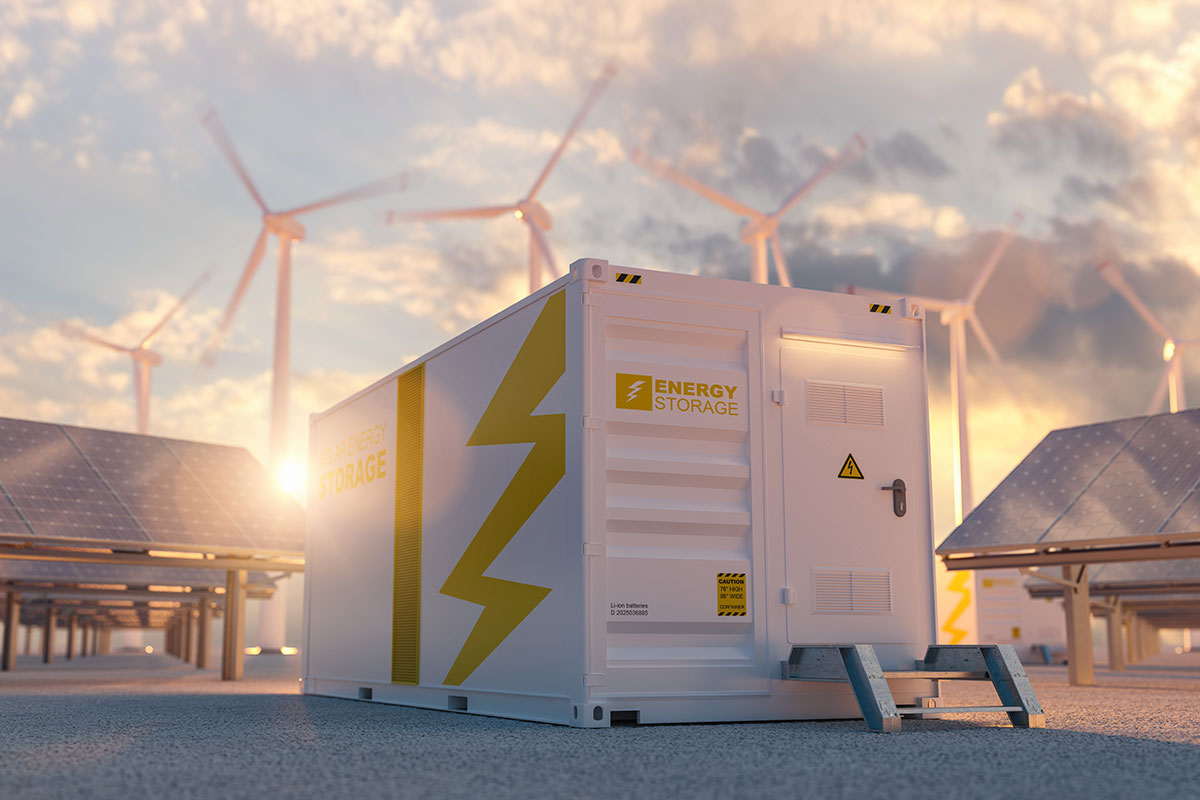
Standalone battery energy storage operates without being directly tied to solar panels or other specific renewable generation, storing power from the grid (or other sources) for later use. Such systems remain competitive and investible, but it is hybrid solar PV (Photovoltaic) and BESS (Battery Energy Storage System) projects that are increasingly drawing investor attention.
Co-locating battery storage with solar or wind farms combines generation and storage at one site. These hybrid renewable energy projects share land and grid connections. The result is a more stable, efficient, and profitable clean energy asset.
By pairing batteries with renewables, developers reduce intermittency risks. They also unlock higher revenues through energy time shifting. Grid constraints are eased, and development costs fall. Co-location plays a growing role in delivering flexible, net-zero power systems.
How co-located renewable energy works
Shared infrastructure: Solar, wind, and battery systems use the same land and grid connection. This lowers capital costs and shortens planning and consenting timelines.
Energy shifting: Batteries store surplus renewable electricity during periods of low prices. They discharge power during peak demand when prices are higher. This maximises market revenues and improves project economics.
Grid stability: Battery storage reduces renewable curtailment and wasted clean energy. It also provides essential grid services like frequency response and reserve.

Solar and battery co-location
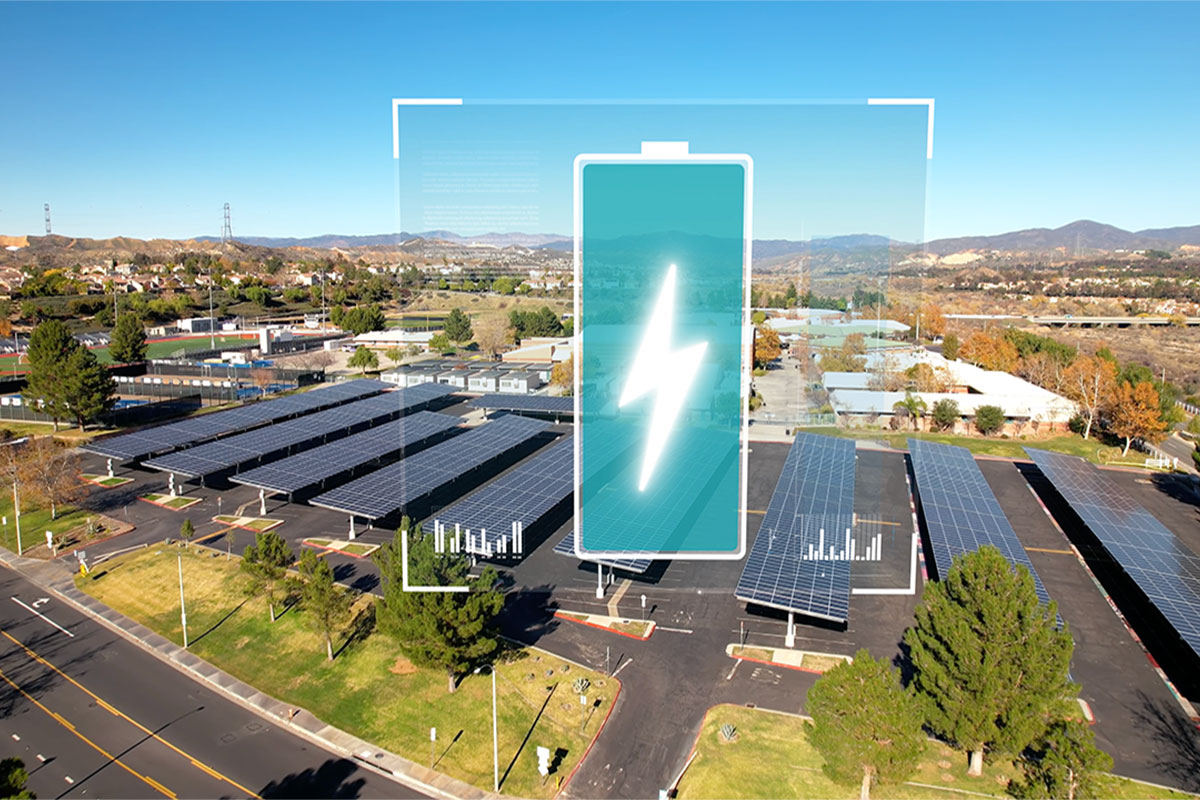
Battery storage and solar energy have complementary operating profiles. Solar produces predictable daytime generation. Batteries charge from midday surplus and discharge in evenings or early mornings.
This pairing offers reliable revenue streams and operational simplicity. As a result, solar plus battery projects dominate the co-location market today.
Wind and battery co-location
Battery storage smooths short-term fluctuations in wind generation. Wind output is less predictable but often delivers higher load factors. So, wind and battery projects are more site specific. It also captures value during calm periods or price spikes.
With the right wind profile, these projects can perform strongly.


Key benefits of co-located renewables
Co-location boosts system flexibility by balancing supply and demand locally. This improves grid resilience and reduces renewable curtailment.
Costs are lower due to shared land, infrastructure, and operations. Projects also achieve faster grid access by avoiding long connection queues.
Hybrid assets improve merchant resilience. They reduce exposure to price cannibalisation and negative pricing. This is especially valuable for older RO (Renewables Obligation) and CfD (Contracts for Difference) sites. These are primary UK government schemes designed to encourage renewable and low-carbon electricity generation.
Revenue diversity increases through energy trading and ancillary services. Reliability improves by balancing variable renewable output. Deployment is faster because existing infrastructure is reused.
Future proof
In the UK, only around 12% of onshore renewables are co-located today. This figure must rise to meet clean power and net-zero targets.
Solar and battery projects currently lead the market. However, developers are exploring wind plus battery solutions. Some are also assessing wind and hydrogen integration.
Metering reforms will enable DC coupling and greater technical flexibility. As hydrogen infrastructure matures, more technologies will be combined. Larger battery parks and increased debt financing will drive contracted revenues. This will encourage innovation from optimisers and offtakers.
Co-location is no longer just a cost-saving strategy. It is becoming a cornerstone of modern, flexible energy systems.
Find out more about purpose law...


